











Southeast Asia is home to millions of daily motorcycle riders, but the tropical climate creates a hidden, universal problem: sweaty, odor-filled helmets. For entrepreneurs and venue operators, investing in a commercial helmet washing machine offers a highly lucrative, low-maintenance solution that directly addresses this massive consumer pain point.
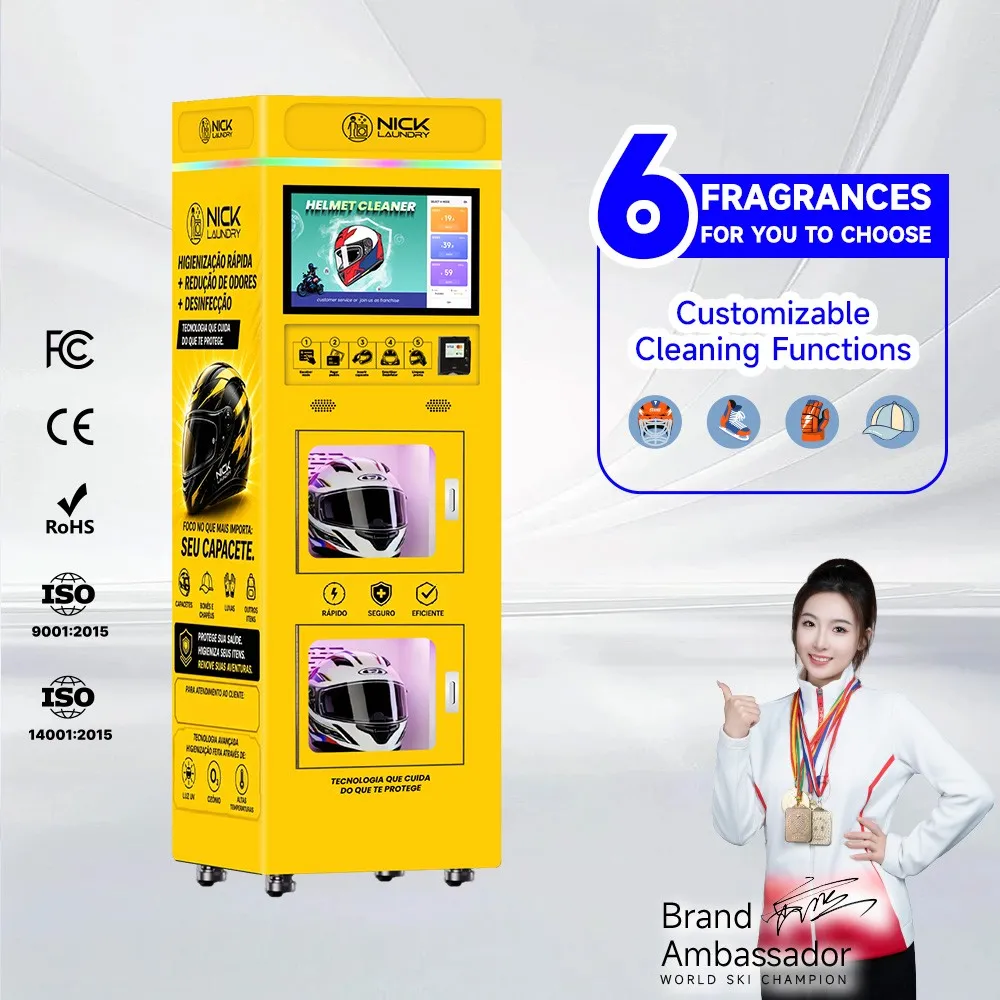
Traditional manual washing is incredibly time-consuming, leaves helmets damp for days, and frequently damages expensive inner linings. In contrast, a fully automated, self-service Helmet Cleaning Machine provides instant hygiene, eliminating bacteria and foul smells without the hassle of disassembly. This technological leap not only solves a hygiene crisis but also presents a high Return on Investment (ROI) opportunity for B2B investors looking to tap into a rapidly growing market.
1. The Southeast Asian Market: A Goldmine for Helmet Hygiene
The motorcycle is the undisputed king of transportation in Southeast Asia. Countries like Indonesia, Vietnam, Thailand, Malaysia, and the Philippines boast some of the highest two-wheeler ownership rates globally. With tens of millions of riders commuting daily, the sheer volume of helmets in active use is staggering. However, this massive demographic shares a common, uncomfortable challenge: maintaining helmet hygiene in a tropical climate.
The Impact of Heat and Humidity
The Southeast Asian climate is characterized by year-round high temperatures and relentless humidity. When a rider wears a helmet for even a short commute, the enclosed space quickly traps heat, causing the scalp to sweat profusely. This sweat is absorbed directly into the helmet’s inner padding. Over time, the combination of moisture, dead skin cells, and heat creates the perfect breeding ground for bacteria, mold, and fungi. The result is a foul-smelling, unhygienic helmet that can cause scalp irritation, dandruff, and even severe skin infections.
The Post-Pandemic Shift in Consumer Behavior
Following global health events, consumers across Southeast Asia have become significantly more hyper-aware of personal hygiene and sanitation. The tolerance for shared, unwashed equipment—such as rental helmets at tourist hotspots or communal gear at go-kart tracks—has plummeted. Riders are now actively seeking out ways to sanitize their personal gear, driving an unprecedented demand for quick, accessible, and affordable “Helmet Spa” services in public spaces. The market is ripe for a solution that can deliver professional-grade cleaning on the go, making the commercial helmet washing industry a veritable goldmine for early adopters.
2. Manual Washing vs. Automated Solutions: The Core Problem
To understand why automated equipment is revolutionizing this sector, one must first look at the severe limitations of traditional helmet cleaning methods.
The Hassle of Manual Cleaning
Historically, cleaning a motorcycle helmet required the rider to manually detach the inner foam liners, wash them by hand or in a domestic washing machine, and then wait for them to air dry. In a humid climate, air-drying can take anywhere from 24 to 48 hours. If the padding does not dry completely, it develops a permanent musty odor, defeating the purpose of washing it in the first place. Furthermore, frequent removal and reattachment of the padding can degrade the foam, compromising the helmet’s safety integrity and fit. For businesses like rental shops that handle dozens of helmets daily, manual washing is simply unscalable due to high labor costs and extensive downtime.
The Automated Advantage
Modern commercial cleaning equipment completely bypasses these hurdles. Instead of manual labor, these machines utilize a highly efficient, automated process that can penetrate deep into the fabric of the helmet without requiring any disassembly.

The true technological leap lies in the comprehensive 5-Step Deep Cleaning Process. Designed for speed and hygiene, the equipment supports multiple operational modes to suit different commercial needs, including a Normal cleaning (7 minutes), an Advanced cleaning (12 minutes), and a fully customizable time mode.
Here is a breakdown of the standard 5-step process that transforms a multi-day chore into a seamless, automated service:
Step | Cleaning Process | Time (Normal) | Function | Principles |
|---|---|---|---|---|
1 | High Temperature Activation | 1.2 mins | Preprocess stains | Releases 40-60°C heat to soften helmet sweat and oil stains, aiding in thorough cleaning. |
2 | Ozone Decomposition | 1.8 mins | Eliminate odor & inhibit regrowth | Ozone sterilization penetrates helmets, oxidizes odors, kills microbes, and extends odor-free cycles. |
3 | UV-C Ultraviolet Sterilization | 1.5 mins | Physical sterilization | UV-C penetrates linings, kills >99% of bacteria, destroys mites, and cuts scalp risks with no chemical residues. |
4 | Aromatherapy Permeation | 1.5 mins | Natural fragrance addition | High temperature turns fragrance spray into mist: cleans (no wipe), boosts disinfection, and adds a mild scent. |
5 | Drying And Curing | 1.5 mins | Moisture-proof & scent retention | An Automated drying system uses gentle wind to dry helmets to <10% moisture (anti-mold) and bonds fragrance for 50% longer retention. |
3. The Business Model: How “One-Square-Meter” Generates Passive Income
For B2B investors and entrepreneurs, the appeal of this business lies not just in the technology, but in the highly efficient, low-overhead operational model. Often referred to as the “one-square-meter store,” this concept maximizes revenue while minimizing spatial and labor requirements.
Low Footprint and Zero Staffing
A standard vending-style helmet washing machine requires roughly one square meter of floor space and only needs access to a standard electrical outlet and, depending on the model, a basic water supply. Because the system is entirely self-service, there is absolutely no need to hire dedicated staff to operate the equipment. The machine runs 24/7, continuously generating revenue even while the business owner is asleep. Routine maintenance is typically limited to occasionally refilling cleaning fluids and emptying wastewater tanks, tasks that require only a few minutes per week.
Flexible Payment Integration
To succeed in the diverse Southeast Asian market, frictionless payment is critical. Modern machines come equipped with versatile payment modules that cater to local consumer habits. While traditional coin-operated mechanisms remain popular, the integration of QR code scanners for e-wallets (such as GrabPay, GoPay, MoMo, and ShopeePay) and RFID card readers ensures that no customer is turned away due to a lack of physical cash.
Dual Revenue Streams
Beyond the direct income generated from the cleaning service, many premium models feature large, high-definition LCD touch screens. While these screens primarily serve to guide the user through the cleaning process with voice and video instructions, they also double as a highly visible digital billboard. Operators can sell advertising space to local businesses, motorcycle dealerships, or riding gear brands, creating a lucrative secondary revenue stream that further accelerates the ROI.
4. Strategic Locations for Maximum ROI
The profitability of any vending or self-service business is heavily dependent on location. In Southeast Asia, identifying high-traffic areas with a dense concentration of motorcycle riders is the key to maximizing daily usage rates.
Shopping Malls and Commercial Plazas
Integrating a “Helmet Spa” station in the underground parking levels or near the main entrances of major shopping malls is a proven strategy. Riders can securely lock their helmets inside the machine for a deep clean while they spend an hour shopping, dining, or watching a movie. By the time they return, their helmet is fresh, dry, and sanitized.
Motorcycle Rental Shops and Tourist Hubs
In tourist-heavy areas like Bali, Phuket, and Da Nang, motorcycle rental shops process hundreds of customers daily. Providing a clean, odor-free helmet is a significant competitive advantage for these rental businesses. Installing a machine on-site allows the shop to sanitize helmets between rentals quickly, ensuring higher customer satisfaction and better online reviews.
Go-Kart Tracks and Family Entertainment Centers (FECs)
Communal racing helmets are notorious for accumulating sweat and bacteria rapidly. If you ever wondered how to clean go-kart helmets effectively, an automated system is the answer. For go-kart tracks and indoor entertainment centers, maintaining hygiene is a constant operational headache. A commercial cleaning unit not only automates this tedious task for the staff but also visually reassures customers that the venue takes their health and safety seriously.
Universities and High-Density Parking Areas
University campuses in Southeast Asia are swarming with students commuting on scooters. Placing a coin-operated or QR-code-enabled machine in campus parking lots provides a highly convenient service for a captive audience that values quick, affordable tech solutions.
5. Projected ROI Analysis
To illustrate the financial viability of this B2B investment, let us look at a hypothetical ROI of commercial helmet washers based on typical Southeast Asian market conditions. Please note that actual figures will vary based on specific locations, electricity rates, and equipment models.

Metric | Estimated Value (USD) | Notes |
|---|---|---|
Initial Equipment Cost | $1,500 - $3,000 | Varies by capacity (single vs. dual slot) and tech features. |
Average Price Per Wash | $2.00 - $4.00 | Depending on the local economy and venue exclusivity. |
Estimated Daily Users | 15 - 30 users | Highly achievable in busy malls or tourist rental hubs. |
Daily Gross Revenue | $30.00 - $120.00 | Based on user volume and pricing. |
Monthly Gross Revenue | $900.00 - $3,600.00 | Assuming 30 days of continuous operation. |
Monthly Operating Costs | $50.00 - $100.00 | Electricity, cleaning consumables, and basic maintenance. |
Net Monthly Profit | $850.00 - $3,500.00 | High margin due to zero labor costs. |
Estimated Payback Period | 1 to 4 Months | Exceptionally fast ROI compared to traditional retail businesses. |
As demonstrated in the table, the incredibly low operating costs combined with steady daily usage result in a rapid payback period. Once the initial capital expenditure is recovered, the machine generates near-pure profit for the remainder of its operational lifespan.
6. Why Partner with OUYUAN Intelligent Technology?
When entering the automated hygiene market, selecting the right equipment manufacturer is the most critical decision a business can make. Founded in 2013, OUYUAN Intelligent Technology has established itself as the premier Source Factory for advanced industrial and commercial cleaning equipment.
Unlike trading companies or middlemen, partnering directly with a Source Factory guarantees that B2B buyers receive factory-direct wholesale pricing, significantly lowering the barrier to entry and accelerating ROI. OUYUAN prides itself on utilizing industrial-grade components designed to withstand the rigors of 24/7 public use in harsh, humid climates.
Furthermore, OUYUAN offers comprehensive OEM/ODM services. Whether you are a regional distributor looking to launch your own “Helmet Spa” brand, or a massive retail chain wanting customized machine colors, UI interfaces, and localized language software, OUYUAN’s engineering team can tailor the equipment to meet your precise specifications. With over a decade of manufacturing expertise, robust quality control protocols, and dedicated after-sales support, OUYUAN is the reliable partner you need to scale your business across Southeast Asia.
7. Frequently Asked Questions (FAQ)Are helmet cleaning machines just a gimmick, or do they actually work?
They are absolutely not a gimmick. These machines utilize scientifically proven technologies used in medical and industrial sanitation. Ozone sterilization effectively destroys bacteria and viruses at a cellular level, while the Automated drying system ensures the removal of the moisture that bacteria need to survive. The result is a genuinely sanitized, odor-free helmet.
How long does a standard cleaning and drying cycle take? Efficiency is key for self-service machines. A standard cycle, which includes ozone fogging, UV sterilization, and warm air drying, typically takes between 5 to 15 minutes. This fast turnaround ensures high throughput during peak hours, maximizing your daily revenue potential.
Will the machine damage expensive leather interiors or custom paint jobs? No. Commercial units are specifically engineered to be non-destructive. They use gaseous sterilization (ozone) and low-temperature drying rather than harsh tumbling or scalding heat. This gentle process protects sensitive EPS foam, Bluetooth communication systems, leather accents, and custom exterior graphics.
How much does a commercial helmet washing machine cost? Prices vary based on the specific model, capacity (e.g., single helmet vs. dual-chamber systems), and customized payment modules. Because OUYUAN Intelligent Technology is a direct manufacturer, B2B buyers benefit from highly competitive wholesale pricing. We recommend contacting our sales team directly for a customized quote based on your volume and OEM/ODM requirements.
Conclusion
The intersection of Southeast Asia’s massive motorcycle demographic, its challenging tropical climate, and the post-pandemic focus on personal hygiene has created a perfect storm of opportunity. Commercial helmet washing machines solve a universal, daily problem for millions of riders while offering entrepreneurs a “one-square-meter” business model characterized by passive income, zero labor costs, and an exceptionally fast payback period.
Whether you operate a shopping mall, a motorcycle rental fleet, or wish to build a network of self-service vending machines, the ROI potential is undeniable. Do not miss out on the chance to lead this lucrative market segment. Contact Us at OUYUAN Intelligent Technology today to discover our factory-direct pricing, explore our OEM/ODM partnership opportunities, and take the first step toward building your highly profitable automated hygiene business.